Faire peau neuve
بناء الهوية والتموضعات الاجتماعية من خلال تفتيح البشرة في السنغال واليابان
أطروحة في الأنثروبولوجيا أعدّتها Thioro Loum، مقدَّمة إلى كلية الآداب والعلوم الإنسانية، معهد الإثنولوجيا، Université de Neuchâtel، تحت إشراف الأستاذ Christian Ghasarian. ORCID 0000-0001-5609-9407
يندرج هذا البحث ضمن مقاربة إثنوغرافية نوعية متعددة المواقع، ولا يجعل من المقارنة بين اليابان والسنغال تمريناً في التضادّ الثقافي، بل أداةً أنثروبولوجية لنزع التمركز، يتيح فيها تفرّدُ تشكيلتين اجتماعيتين ثقافيتين مساءلةَ أنظمة المعيارية، والعلاقات بالجسد، والاقتصادات الرمزية للجمال.
في طوكيو، امتدّ البحث الميداني من الوسط الجامعي للأنثروبولوجيا نحو صناعة التجميل والفاعلين فيها؛ وفي داكار، تشكّل انطلاقاً من الوسط الطبي، على تماسّ مع المهنيين الصحيين ومع الأشخاص المنخرطين في ممارسات تفتيح البشرة، كاشفاً بذلك كيف يفضي مدخلان ميدانيان مختلفان إلى تساؤل أنثروبولوجي واحد: كيف تُشكّل المجتمعات الأجساد، فيما يتفاوض الأفراد، وهم يعملون على مظهرهم، على مكانتهم في النظام الاجتماعي؟
مترجم عن الفرنسية
ملخّص الأطروحة أدناه بقلم المؤلفة نفسها، بالفرنسية والإنجليزية.
Résumé
Cette thèse interroge le blanchiment de la peau comme une pratique située à la croisée du corps, du sens identitaire et du pouvoir. Fondée sur une ethnographie multi-située (Marcus, 1995), elle relie deux contextes contrastés, le Sénégal, marqué par l'héritage colonial et le colorisme, et le Japon, société sans colonisation directe, où la blancheur s'ancre dans des représentations de pureté, de statut social, de discipline du corps et d'intégration dans les normes collectives. La méthodologie déployée, avec des entretiens qualitatifs semi-directifs menés dans les deux pays, complétés par des observations, une immersion prolongée avec une analyse des discours ambiants des contextes sociaux, permet de mettre ces différents contextes socio-culturels en résonance l'un avec l'autre.
Inspirée par les nouvelles technologies du corps de Foucault (1975), la thèse analyse le blanchiment comme un dispositif social de contrôle de soi et d'adhésion à des normes esthétiques glocalisées (localisées et globalisées). Dans la lignée d'une anthropologie du corps et du sensible (Le Breton, 1990 ; Csordas, 1990), la peau est ici envisagée comme un langage social et symbolique, à travers lequel se jouent et s'expriment les normes, les imaginaires du-des corps, le rapport à soi, à l'autre et au monde social environnant. La recherche « suit » l'objet, la peau blanchie, à travers des représentations du corps et leurs traductions sociales.
À la fois surface visible, support de transformation et lieu d'inscription de modèles dominants, la dépigmentation met en effet en jeu des régulations sociales et symboliques. Sa pratique traduit ainsi des formes d'assujettissement et/ou de résistance, où le corps devient le lieu d'une négociation entre agentivité, contrainte et appartenance. Si au Japon, la blancheur incarne une esthétique du perfectionnement du soi, au Sénégal, elle exprime un désir de mobilité et de visibilité sociale. Dans les deux espaces de la pratique, la peau est en quelque sorte un miroir du soi social, lieu d'intériorisation, d'expression d'un consentement et d'aliénation à des modèles normatifs contemporains. En articulant le vécu individuel et les structures de pouvoir, cette thèse propose une lecture anthropologique du blanchiment comme miroir contemporain du soi, révélant les corrélations et tensions entre modernité, identité et domination symbolique.
Mots-clés
Blanchiment de la peau. Sénégal/Japon-Xeesal, Bihaku. Anthropologie du corps. Anthropologie de la santé. Ethnographie multi-située. Globalisation/Glocalisation. Gouvernance du corps. Performativité du genre. Temporalités corporelles. Urbanité. Agentivité. Ritualisation. Colorisme. Postcolonialité. Technologie du corps.
Summary
This thesis examines skin lightening as a situated practice at the intersection of the body, identity-making, and power. Grounded in a multi-sited ethnography (Marcus, 1995), it connects two contrasting contexts, Senegal, shaped by colonial legacies and colorism, and Japan, a society without direct colonization, where whiteness is rooted in representations of purity, social status, bodily discipline, and conformity to collective norms. The methodology based on semi-structured qualitative interviews conducted in both countries, complemented by observations, prolonged immersion, and an analysis of surrounding social discourses brings these distinct socio-cultural contexts into resonance with one another.
Drawing on Foucault's concept of technologies of the self (1975), the dissertation analyzes skin lightening as a social dispositif of self-regulation and adherence to glocalized (localized and globalized) aesthetic norms. In line with an anthropology of the body and the senses (Le Breton, 1990; Csordas, 1990), the skin is approached here as a social and symbolic language through which norms, imaginaries of the body/bodies, and relations to self, others, and the surrounding social world are enacted and expressed. The research follows the object, the lightened skin, through representations of the body and their social translations.
At once a visible surface, a medium of transformation, and a site for the inscription of dominant models, depigmentation engages social and symbolic regulations. Its practice thus reflects forms of subjection and/or resistance, in which the body becomes the site of negotiation between agency, constraint, and belonging. If in Japan whiteness embodies an aesthetic of self-perfection, in Senegal it expresses a desire for mobility and social visibility. In both contexts, the skin functions as a mirror of the social self, a site of internalization, consent, and alienation to contemporary normative models. By articulating lived experience and structures of power, this dissertation offers an anthropological reading of skin lightening as a contemporary mirror of the self, revealing the correlations and tensions between modernity, identity, and symbolic domination.
Key words
Skin lightening. Senegal, Japan/Xeesal, Bihaku. Anthropology of the body. Anthropology of health. Multi-sited ethnography. Globalization/Glocalization. Governance of the body. Gender performativity. Bodily temporalities. Urbanity. Agency. Ritualization. Colorism. Postcoloniality. Technologies of the body.
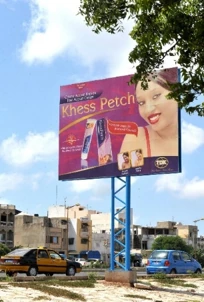
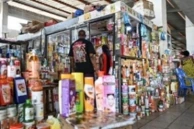
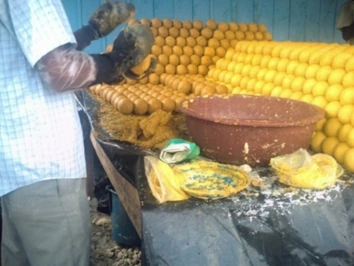
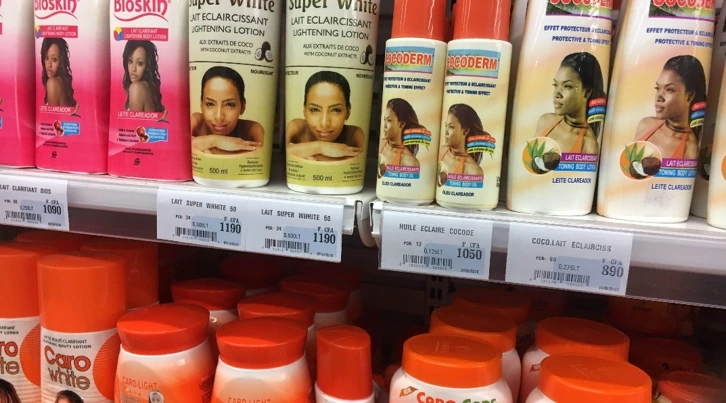
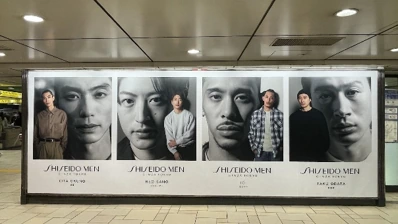
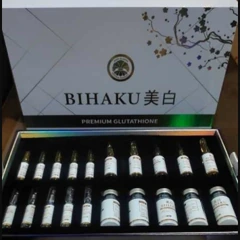
صور من الميدان

الإشراف ولجنة المناقشة
- الإشراف
- Christian Ghasarian، أستاذ فخري، Université de Neuchâtel
- لجنة المناقشة
- David Le Breton، أستاذ فخري، جامعة ستراسبورغ
Patrice Cohen، أستاذ، جامعة روان
Aggée Lomo Myazhiom، أستاذ محاضر، جامعة ستراسبورغ
Eugène Mangalaza، أستاذ فخري، جامعة تاماتاف (Tamatave)، مدغشقر - ندوة الأطروحة
- 30 أكتوبر 2026
- المناقشة
- مقرّرة في يناير 2027
عن Thioro Loum
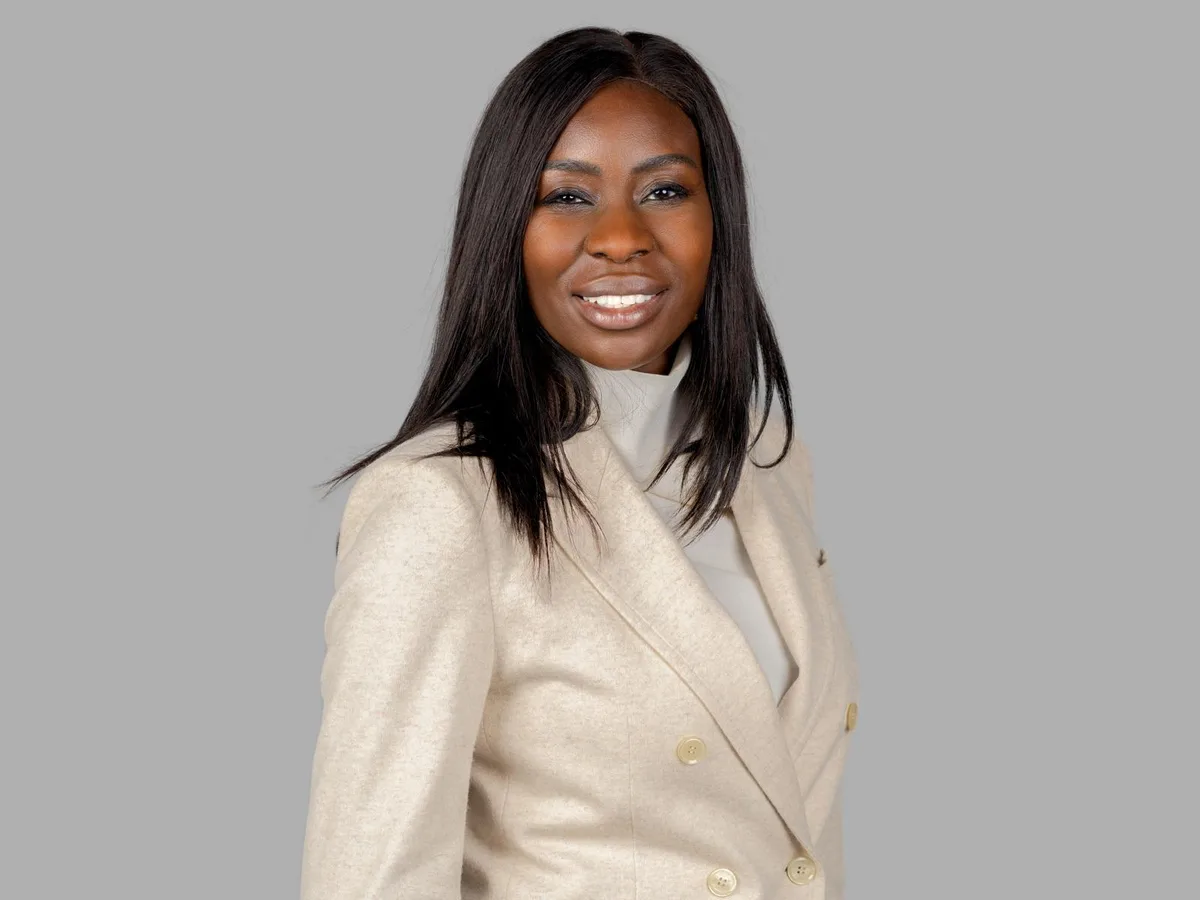
Thioro Loum كوتش وعالمة أنثروبولوجيا في لوزان. عملت ممرّضة اثني عشر عاماً، ثم متخصصة في الصحة المهنية في شركات دولية كبرى، ورافقت مديرين وموظفين يعانون من الاحتراق الوظيفي.
وهي تُنهي اليوم في Université de Neuchâtel أطروحة دكتوراه حول تفتيح البشرة في السنغال واليابان، وتدرّس في HETSL (المدرسة العليا للعمل الاجتماعي والصحة في لوزان). وهي أيضاً مؤلفة كتاب Corps socialisés, ce que l'épuisement révèle de nous (بالفرنسية)، الذي يصدر في 30 يناير 2027.
التواصل مع Thioro Loum
تردّ Thioro Loum عادةً في غضون 24 إلى 48 ساعة.
- البريد الإلكترونيinfo@yourownsens.ch
- المكانلوزان وضواحيها، حضورياً أو عبر الفيديو