Faire peau neuve
Identitätskonstruktion und soziale Positionierungen durch Hautaufhellung in Senegal und Japan
Anthropologische Dissertation von Thioro Loum, eingereicht an der Faculté des lettres et sciences humaines, Institut d'ethnologie, Université de Neuchâtel, betreut von Professor Christian Ghasarian. ORCID 0000-0001-5609-9407
Diese Forschung folgt einem qualitativen, multilokalen ethnografischen Ansatz. Der Vergleich zwischen Japan und Senegal ist darin keine Übung in kultureller Gegenüberstellung, sondern ein Verfahren anthropologischer Dezentrierung: Die Eigenart zweier soziokultureller Konstellationen erlaubt es, Normativitätsregime, Körperverhältnisse und symbolische Ökonomien der Schönheit zu hinterfragen.
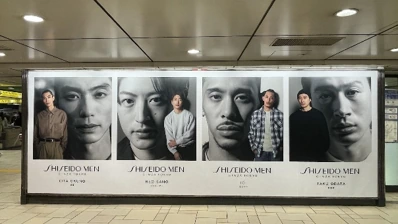
In Tokio führte die Untersuchung von der universitären Anthropologie hin zur Schönheitsindustrie und ihren Akteuren; in Dakar baute sie auf dem medizinischen Umfeld auf, im Kontakt mit Gesundheitsfachleuten und mit Menschen, die Hautaufhellung praktizieren. So zeigt sich, wie zwei verschiedene empirische Zugänge zu ein und derselben anthropologischen Frage führen: Wie formen Gesellschaften die Körper, während die Einzelnen, indem sie an ihrem Aussehen arbeiten, ihren Platz in der sozialen Ordnung aushandeln?
Aus dem Französischen übersetzt
Die folgende Zusammenfassung der Dissertation stammt von der Autorin selbst, auf Französisch und auf Englisch.
Résumé
Cette thèse interroge le blanchiment de la peau comme une pratique située à la croisée du corps, du sens identitaire et du pouvoir. Fondée sur une ethnographie multi-située (Marcus, 1995), elle relie deux contextes contrastés, le Sénégal, marqué par l'héritage colonial et le colorisme, et le Japon, société sans colonisation directe, où la blancheur s'ancre dans des représentations de pureté, de statut social, de discipline du corps et d'intégration dans les normes collectives. La méthodologie déployée, avec des entretiens qualitatifs semi-directifs menés dans les deux pays, complétés par des observations, une immersion prolongée avec une analyse des discours ambiants des contextes sociaux, permet de mettre ces différents contextes socio-culturels en résonance l'un avec l'autre.
Inspirée par les nouvelles technologies du corps de Foucault (1975), la thèse analyse le blanchiment comme un dispositif social de contrôle de soi et d'adhésion à des normes esthétiques glocalisées (localisées et globalisées). Dans la lignée d'une anthropologie du corps et du sensible (Le Breton, 1990 ; Csordas, 1990), la peau est ici envisagée comme un langage social et symbolique, à travers lequel se jouent et s'expriment les normes, les imaginaires du-des corps, le rapport à soi, à l'autre et au monde social environnant. La recherche « suit » l'objet, la peau blanchie, à travers des représentations du corps et leurs traductions sociales.
À la fois surface visible, support de transformation et lieu d'inscription de modèles dominants, la dépigmentation met en effet en jeu des régulations sociales et symboliques. Sa pratique traduit ainsi des formes d'assujettissement et/ou de résistance, où le corps devient le lieu d'une négociation entre agentivité, contrainte et appartenance. Si au Japon, la blancheur incarne une esthétique du perfectionnement du soi, au Sénégal, elle exprime un désir de mobilité et de visibilité sociale. Dans les deux espaces de la pratique, la peau est en quelque sorte un miroir du soi social, lieu d'intériorisation, d'expression d'un consentement et d'aliénation à des modèles normatifs contemporains. En articulant le vécu individuel et les structures de pouvoir, cette thèse propose une lecture anthropologique du blanchiment comme miroir contemporain du soi, révélant les corrélations et tensions entre modernité, identité et domination symbolique.
Mots-clés
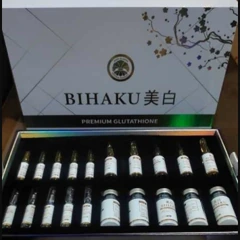
Blanchiment de la peau. Sénégal/Japon-Xeesal, Bihaku. Anthropologie du corps. Anthropologie de la santé. Ethnographie multi-située. Globalisation/Glocalisation. Gouvernance du corps. Performativité du genre. Temporalités corporelles. Urbanité. Agentivité. Ritualisation. Colorisme. Postcolonialité. Technologie du corps.
Summary
This thesis examines skin lightening as a situated practice at the intersection of the body, identity-making, and power. Grounded in a multi-sited ethnography (Marcus, 1995), it connects two contrasting contexts, Senegal, shaped by colonial legacies and colorism, and Japan, a society without direct colonization, where whiteness is rooted in representations of purity, social status, bodily discipline, and conformity to collective norms. The methodology based on semi-structured qualitative interviews conducted in both countries, complemented by observations, prolonged immersion, and an analysis of surrounding social discourses brings these distinct socio-cultural contexts into resonance with one another.
Drawing on Foucault's concept of technologies of the self (1975), the dissertation analyzes skin lightening as a social dispositif of self-regulation and adherence to glocalized (localized and globalized) aesthetic norms. In line with an anthropology of the body and the senses (Le Breton, 1990; Csordas, 1990), the skin is approached here as a social and symbolic language through which norms, imaginaries of the body/bodies, and relations to self, others, and the surrounding social world are enacted and expressed. The research follows the object, the lightened skin, through representations of the body and their social translations.
At once a visible surface, a medium of transformation, and a site for the inscription of dominant models, depigmentation engages social and symbolic regulations. Its practice thus reflects forms of subjection and/or resistance, in which the body becomes the site of negotiation between agency, constraint, and belonging. If in Japan whiteness embodies an aesthetic of self-perfection, in Senegal it expresses a desire for mobility and social visibility. In both contexts, the skin functions as a mirror of the social self, a site of internalization, consent, and alienation to contemporary normative models. By articulating lived experience and structures of power, this dissertation offers an anthropological reading of skin lightening as a contemporary mirror of the self, revealing the correlations and tensions between modernity, identity, and symbolic domination.
Key words
Skin lightening. Senegal, Japan/Xeesal, Bihaku. Anthropology of the body. Anthropology of health. Multi-sited ethnography. Globalization/Glocalization. Governance of the body. Gender performativity. Bodily temporalities. Urbanity. Agency. Ritualization. Colorism. Postcoloniality. Technologies of the body.
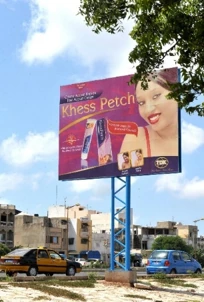
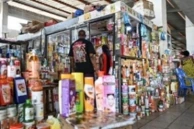
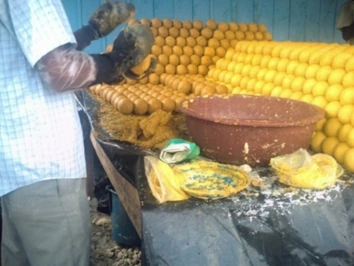
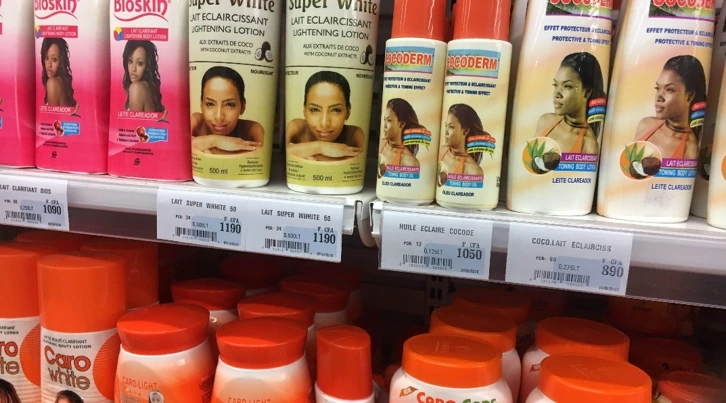
Fotos aus der Feldforschung

Betreuung und Prüfungskommission
- Betreuung
- Christian Ghasarian, emeritierter Professor, Université de Neuchâtel
- Prüfungskommission
- David Le Breton, emeritierter Professor, Université de Strasbourg
Patrice Cohen, Professor, Université de Rouen
Aggée Lomo Myazhiom, Maître de conférences (Dozent), Université de Strasbourg
Eugène Mangalaza, emeritierter Professor, Université de Tamatave, Madagaskar - Kolloquium zur Dissertation
- 30. Oktober 2026
- Verteidigung
- Geplant für Januar 2027
Über Thioro Loum
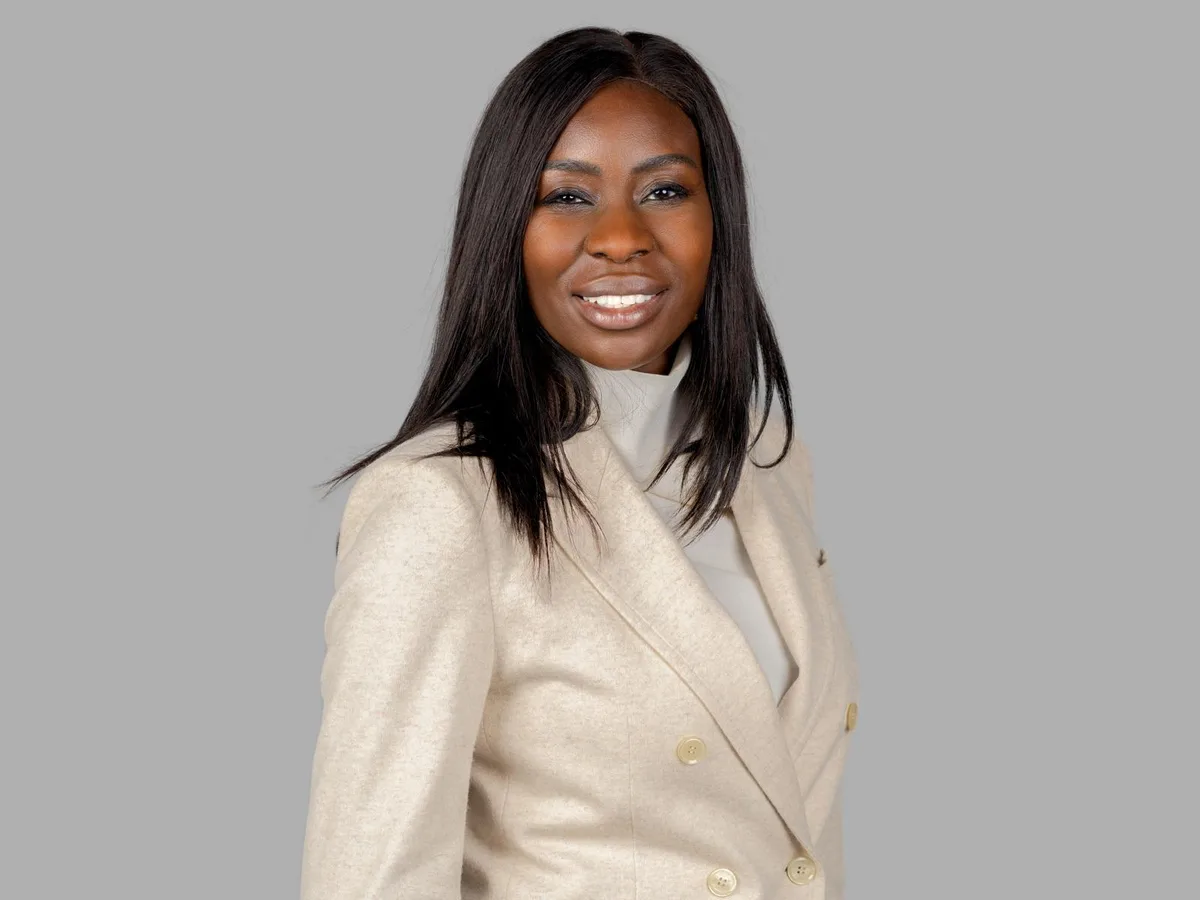
Thioro Loum ist Coach und Anthropologin in Lausanne. Zwölf Jahre lang war sie Pflegefachfrau, danach Spezialistin für Gesundheit am Arbeitsplatz in grossen internationalen Unternehmen, wo sie Führungskräfte und Mitarbeitende mit beruflicher Erschöpfung begleitete.
Heute schliesst sie an der Université de Neuchâtel eine Dissertation über Hautaufhellung in Senegal und Japan ab und unterrichtet an der Haute école de travail social et de la santé Lausanne (HETSL). Sie ist zudem Autorin von Corps socialisés, ce que l'épuisement révèle de nous (auf Französisch), das am 30. Januar 2027 erscheint.
Thioro Loum kontaktieren
Thioro Loum antwortet in der Regel innerhalb von 24 bis 48 Stunden.
- E-Mailinfo@yourownsens.ch
- OrtLausanne und Umgebung, vor Ort oder per Video