Anthropology
Thioro Loum is an anthropologist. A nurse by training and an occupational health specialist, she is completing a doctoral thesis at the Institute of Ethnology of the Université de Neuchâtel on skin lightening in Senegal and Japan, and she teaches at HETSL (Haute école de travail social et de la santé Lausanne, the Lausanne school of social work and health). Her research focuses on the body and its norms, work and exhaustion.
Anthropology opens cracks in our certainties. It teaches us to look at human beings from off-centre, where other ways of being in the world become possible.
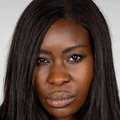 Thioro Loumcoach and anthropologistTranslated from French
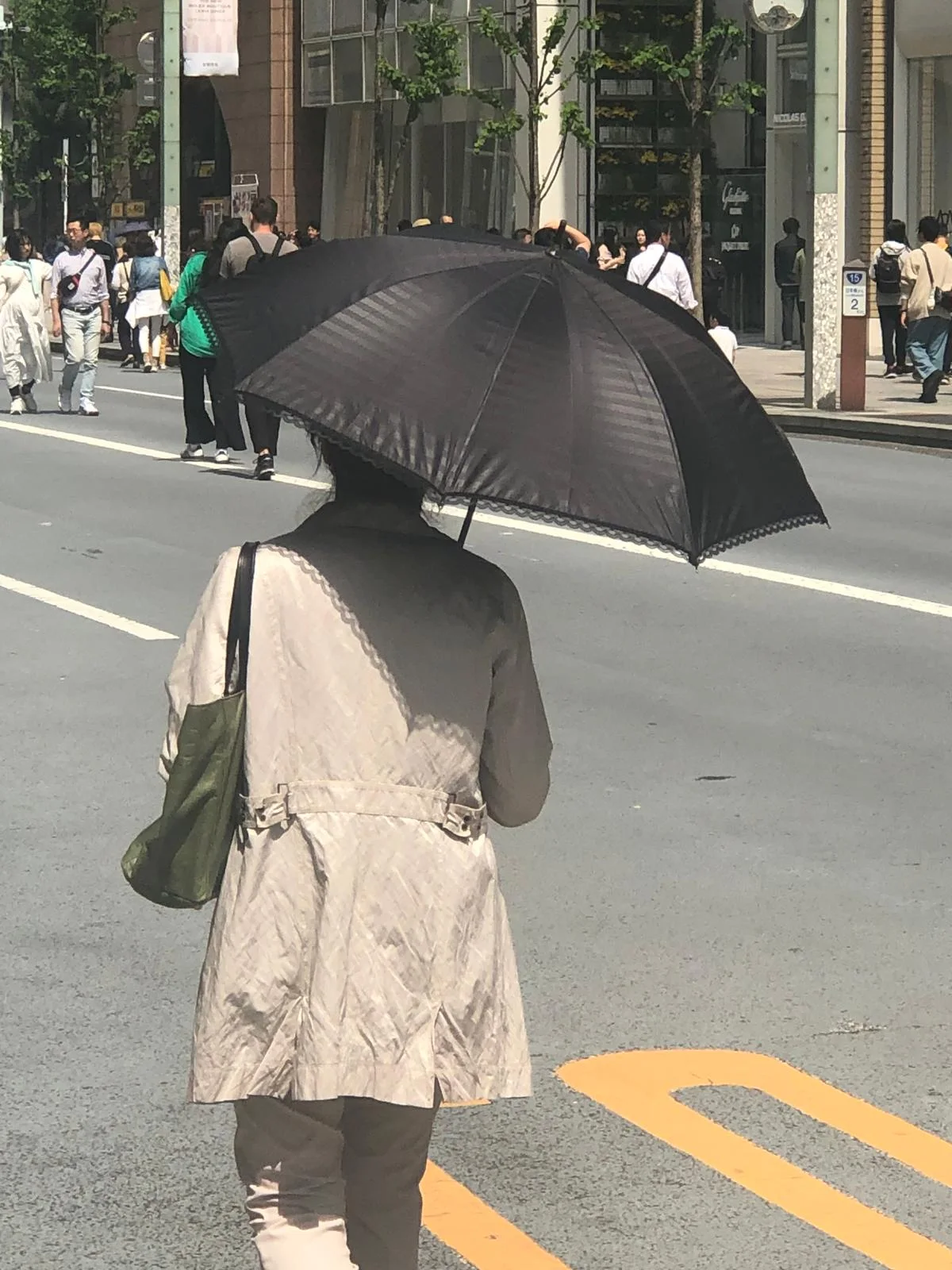
Her doctoral thesis, Faire peau neuve
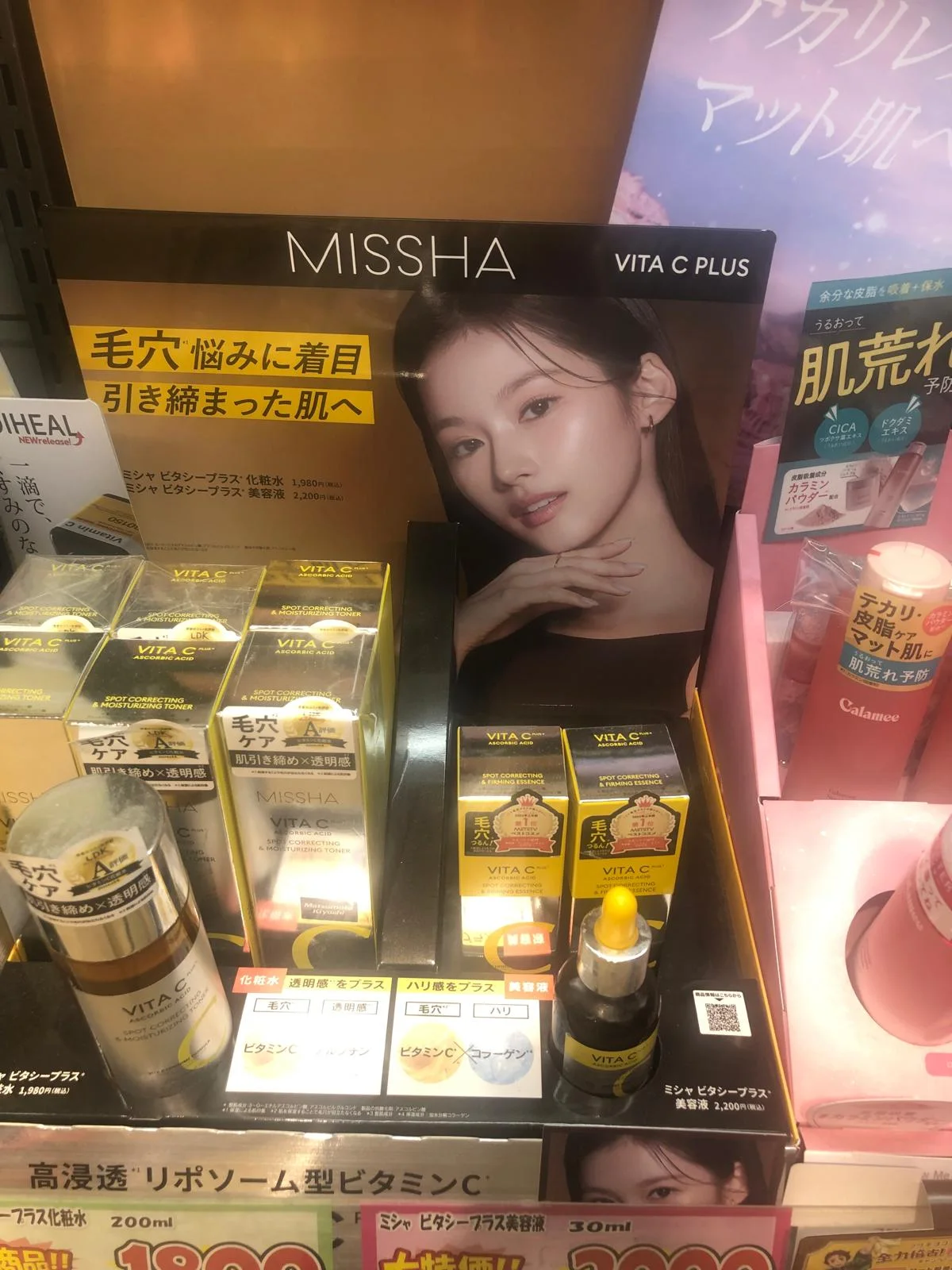
In it, Thioro Loum studies skin lightening in Senegal and Japan: the identity construction and social positioning at stake in this practice. Comparing the two countries makes it possible to examine relationships to the body and the symbolic economies of beauty.
Read the thesis abstractThesis and academic background
- Thesis
- Faire peau neuve. Identity construction and social positioning through skin lightening in Senegal and Japan
- Affiliation
- Institute of Ethnology, Faculty of Arts and Humanities, Université de Neuchâtel
- Supervisor
- Christian Ghasarian, emeritus professor, Université de Neuchâtel
- Examining board
- David Le Breton, emeritus professor, University of Strasbourg · Patrice Cohen, professor, University of Rouen · Aggée Lomo Myazhiom, senior lecturer, University of Strasbourg · Eugène Mangalaza, emeritus professor, University of Toamasina (Tamatave), Madagascar
- Thesis colloquium
- 30 October 2026
- Defence
- Scheduled for January 2027
- Research project
- World Health Organization, 2024: Online sales and marketing of skin-lightening products containing mercury
- Education
- Bachelor's and master's in anthropology, Université de Neuchâtel · Master's in public health, University of Geneva · Nursing diploma · Coaching, ICF-accredited programme
- Teaching
- HETSL, Lausanne, since 2025 · Université de Neuchâtel, master's level, 2022 to 2024 · University of Geneva, public health, 2012 to 2016
- Specialisms
- Anthropology of the body, anthropology of health, health and work
- Identifiers
- ORCID 0000-0001-5609-9407
A discipline of shifting perspectives
Anthropology often begins where the obvious starts to crack. It asks what, in a given world, makes people's actions possible or necessary. It shifts the gaze, unsettles certainties, suspends categories adopted too quickly.
This is precisely what Thioro Loum loves about the discipline: its ability to widen the range of possibilities by questioning ethnocentrism and confinement within a single way of thinking about human beings. Anthropology makes us step outside ourselves without pretending we can leave ourselves behind. It sets what we take for granted against other forms of life, other norms, other kinds of coherence.
What seemed natural becomes cultural again. What appeared universal regains its singularity in its context. What seemed strange elsewhere comes back to us as a question addressed to ourselves.
Her anthropological perspective
It is from this shifted vantage point that Thioro Loum works. She is interested in the worlds that give shape to behaviour, more than in the behaviour itself. Behind what is readily called “individual choice” stand norms, expectations, hierarchies, imaginaries, structures, institutions, power games and subtler forms of recognition.
The body holds a central place in her research. We transform it, correct it, protect it, expose it, exhaust it, discipline it. We expect it to keep performing, and to stay acceptable. When its limits appear, it is often our own norms that become visible.
Our filters give us a partial view of the world, but our reality is not a universal truth. Anthropology allows us to decentre ourselves from what we think we know, and it is a useful compass for seeing the reality of others.
Thioro Loumcoach and anthropologistTranslated from FrenchResearch areas
Body, transformations and norms
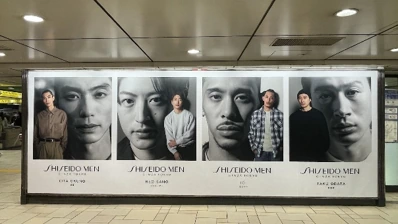
Skin lightening goes far beyond an aesthetic practice. It involves one's relationship to oneself, the gaze of others, beauty norms, social hierarchies, gender, markets, historical legacies and contemporary forms of distinction.
Changing one's skin is sometimes a way of negotiating a place. The body then appears as a space of exchange between the intimate and the collective. It reflects society, and it becomes one of the places where society is made.
The body as a resource
Our societies ask the body to hold out. To produce. To adapt. To stay presentable. To remain available despite fatigue, pain, ageing or vulnerability. The body thus becomes, all at once, a resource, a project and a responsibility.
How far can we ask the body to adapt without questioning the world it has to adapt to? This is where the study of bodily transformations meets that of work, health and performance.
Fieldwork and research
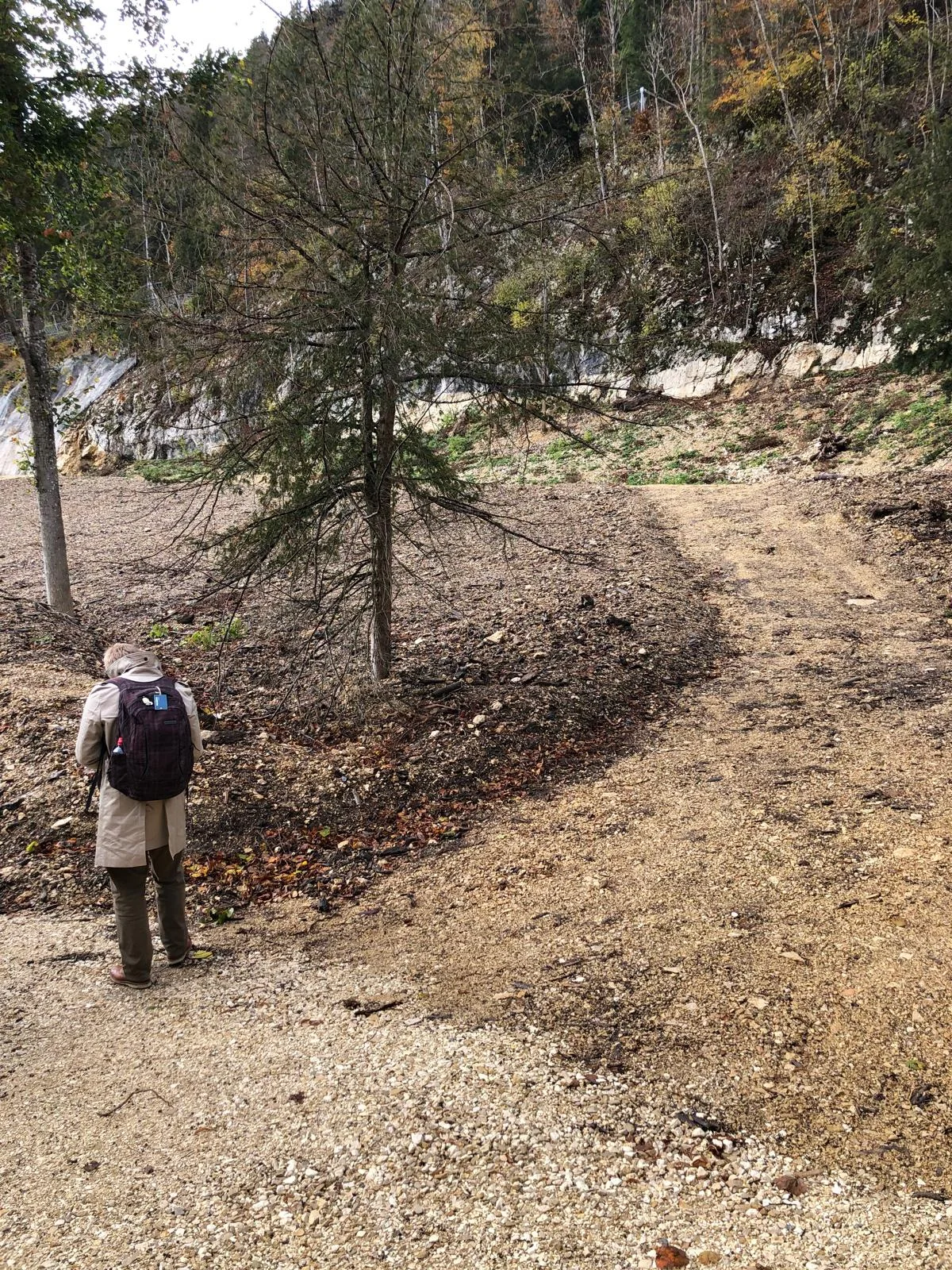
It is in the field that these questions stop being abstract. Fieldwork forces us to listen to what theoretical categories had sometimes put badly. Observing, listening, comparing: the point is to understand how a social logic is built at the level of individuals, gestures, words, silences and contradictions.
Her research, qualitative and comparative, covers bodily and social transformations, aesthetic norms, exhaustion, skin lightening, health, vulnerability, work and end-of-life decisions.
Publications
- 2025 · ArticleIndigenous Epistemological Frameworks and Evidence-Informed Approaches to Consciousness and Body Representations in Osteopathic Care: A Call for Academic EngagementRafael Zegarra-Parodi, Thioro Loum, Giandomenico D'Alessandro, Francesca Baroni, René Zweedijk, Stéphan Schillinger, Josie Conte, Lewis Mehl-Madrona, Christian Lunghi. Healthcare, vol. 13, no. 6, article 586. Open access.Read
- VideoThe Dance of the Eagle and the CondorExploring Body Representations in Osteopathy series, with the principal dancer Hugo Marchand. BMS Formation.Watch
- VideoExploring Body Representations in Osteopathy, trailerWith the principal dancer Hugo Marchand. BMS Formation.Watch
- DissertationL'absentéisme du personnel soignant dans un service de soins à domicile du Canton de VaudAbsenteeism among nursing staff in a home-care service in the Canton of Vaud (in French). MAS in Public Health, Institute of Global Health, University of Geneva.
Teaching and talks
- Since 2025 · CourseVariations in personal and professional commitment in social workHaute école de travail social et de la santé Lausanne (HETSL). October and November 2025, October and November 2026.
- 2022 to 2024 · CoursesSocial innovation; neurodiversity and societies; regional ethnology; mental health and social strategyMaster's level, Université de Neuchâtel.
- 2012 to 2016 · CoursesPublic health and health promotionUniversity of Geneva.
- TalksThinking about humanity in its contradictionsExamples of talks, from exhaustion to artificial intelligence, and talks given in 2025 and 2026.View
Contact Thioro Loum
Thioro Loum usually replies within 24 to 48 hours.
- E-mailinfo@yourownsens.ch
- WhereLausanne and the surrounding area, in person or by video call