Faire peau neuve
Costruzione identitaria e posizionamenti sociali attraverso lo schiarimento della pelle in Senegal e in Giappone
Tesi di antropologia di Thioro Loum, presentata alla Faculté des lettres et sciences humaines, Institut d'ethnologie, Université de Neuchâtel, sotto la direzione del professor Christian Ghasarian. ORCID 0000-0001-5609-9407
Inserita in un approccio etnografico qualitativo e multisituato, questa ricerca fa del confronto tra il Giappone e il Senegal non un esercizio di contrapposizione culturale, ma un dispositivo di decentramento antropologico, in cui la singolarità di due configurazioni socioculturali permette di interrogare i regimi di normatività, i rapporti con il corpo e le economie simboliche della bellezza.
A Tokyo, l'indagine si è sviluppata a partire dal mondo universitario dell'antropologia verso l'industria estetica e i suoi attori; a Dakar si è costruita a partire dall'ambiente medico, a contatto con i professionisti della salute e con le persone coinvolte nelle pratiche di schiarimento cutaneo, mostrando così come due porte d'ingresso empiriche distinte diano accesso a uno stesso interrogativo antropologico: in che modo le società plasmano i corpi, mentre gli individui, lavorando sul proprio aspetto, negoziano il proprio posto nell'ordine sociale?
Tradotto dal francese
Il riassunto che segue è dell'autrice stessa, in francese e in inglese.
Résumé
Cette thèse interroge le blanchiment de la peau comme une pratique située à la croisée du corps, du sens identitaire et du pouvoir. Fondée sur une ethnographie multi-située (Marcus, 1995), elle relie deux contextes contrastés, le Sénégal, marqué par l'héritage colonial et le colorisme, et le Japon, société sans colonisation directe, où la blancheur s'ancre dans des représentations de pureté, de statut social, de discipline du corps et d'intégration dans les normes collectives. La méthodologie déployée, avec des entretiens qualitatifs semi-directifs menés dans les deux pays, complétés par des observations, une immersion prolongée avec une analyse des discours ambiants des contextes sociaux, permet de mettre ces différents contextes socio-culturels en résonance l'un avec l'autre.
Inspirée par les nouvelles technologies du corps de Foucault (1975), la thèse analyse le blanchiment comme un dispositif social de contrôle de soi et d'adhésion à des normes esthétiques glocalisées (localisées et globalisées). Dans la lignée d'une anthropologie du corps et du sensible (Le Breton, 1990 ; Csordas, 1990), la peau est ici envisagée comme un langage social et symbolique, à travers lequel se jouent et s'expriment les normes, les imaginaires du-des corps, le rapport à soi, à l'autre et au monde social environnant. La recherche « suit » l'objet, la peau blanchie, à travers des représentations du corps et leurs traductions sociales.
À la fois surface visible, support de transformation et lieu d'inscription de modèles dominants, la dépigmentation met en effet en jeu des régulations sociales et symboliques. Sa pratique traduit ainsi des formes d'assujettissement et/ou de résistance, où le corps devient le lieu d'une négociation entre agentivité, contrainte et appartenance. Si au Japon, la blancheur incarne une esthétique du perfectionnement du soi, au Sénégal, elle exprime un désir de mobilité et de visibilité sociale. Dans les deux espaces de la pratique, la peau est en quelque sorte un miroir du soi social, lieu d'intériorisation, d'expression d'un consentement et d'aliénation à des modèles normatifs contemporains. En articulant le vécu individuel et les structures de pouvoir, cette thèse propose une lecture anthropologique du blanchiment comme miroir contemporain du soi, révélant les corrélations et tensions entre modernité, identité et domination symbolique.
Mots-clés
Blanchiment de la peau. Sénégal/Japon-Xeesal, Bihaku. Anthropologie du corps. Anthropologie de la santé. Ethnographie multi-située. Globalisation/Glocalisation. Gouvernance du corps. Performativité du genre. Temporalités corporelles. Urbanité. Agentivité. Ritualisation. Colorisme. Postcolonialité. Technologie du corps.
Summary
This thesis examines skin lightening as a situated practice at the intersection of the body, identity-making, and power. Grounded in a multi-sited ethnography (Marcus, 1995), it connects two contrasting contexts, Senegal, shaped by colonial legacies and colorism, and Japan, a society without direct colonization, where whiteness is rooted in representations of purity, social status, bodily discipline, and conformity to collective norms. The methodology based on semi-structured qualitative interviews conducted in both countries, complemented by observations, prolonged immersion, and an analysis of surrounding social discourses brings these distinct socio-cultural contexts into resonance with one another.
Drawing on Foucault's concept of technologies of the self (1975), the dissertation analyzes skin lightening as a social dispositif of self-regulation and adherence to glocalized (localized and globalized) aesthetic norms. In line with an anthropology of the body and the senses (Le Breton, 1990; Csordas, 1990), the skin is approached here as a social and symbolic language through which norms, imaginaries of the body/bodies, and relations to self, others, and the surrounding social world are enacted and expressed. The research follows the object, the lightened skin, through representations of the body and their social translations.
At once a visible surface, a medium of transformation, and a site for the inscription of dominant models, depigmentation engages social and symbolic regulations. Its practice thus reflects forms of subjection and/or resistance, in which the body becomes the site of negotiation between agency, constraint, and belonging. If in Japan whiteness embodies an aesthetic of self-perfection, in Senegal it expresses a desire for mobility and social visibility. In both contexts, the skin functions as a mirror of the social self, a site of internalization, consent, and alienation to contemporary normative models. By articulating lived experience and structures of power, this dissertation offers an anthropological reading of skin lightening as a contemporary mirror of the self, revealing the correlations and tensions between modernity, identity, and symbolic domination.
Key words
Skin lightening. Senegal, Japan/Xeesal, Bihaku. Anthropology of the body. Anthropology of health. Multi-sited ethnography. Globalization/Glocalization. Governance of the body. Gender performativity. Bodily temporalities. Urbanity. Agency. Ritualization. Colorism. Postcoloniality. Technologies of the body.
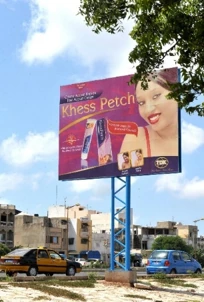
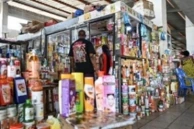
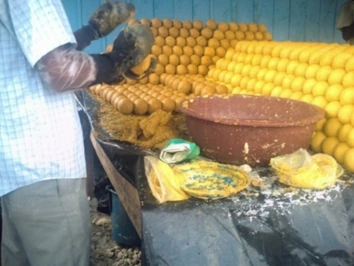
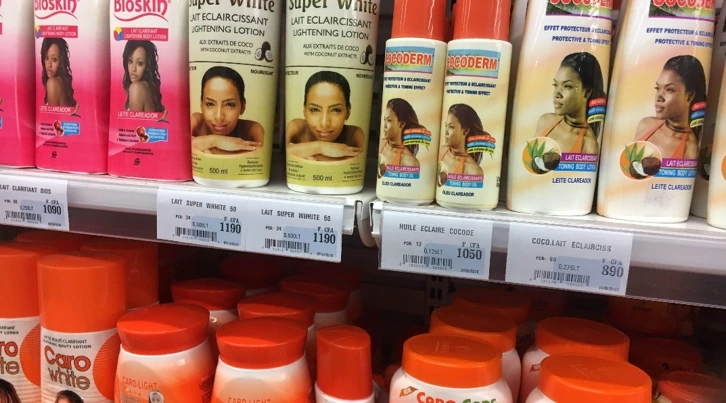
Foto dal campo

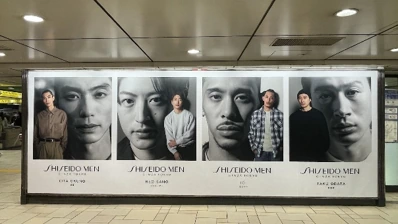
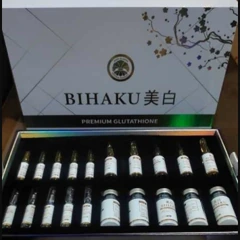
Direzione e commissione
- Direzione della tesi
- Christian Ghasarian, professore emerito, Université de Neuchâtel
- Commissione
- David Le Breton, professore emerito, Università di Strasburgo
Patrice Cohen, professore, Università di Rouen
Aggée Lomo Myazhiom, maître de conférences, Università di Strasburgo
Eugène Mangalaza, professore emerito, Università di Tamatave, Madagascar - Colloquio di tesi
- 30 ottobre 2026
- Discussione della tesi
- Prevista a gennaio 2027
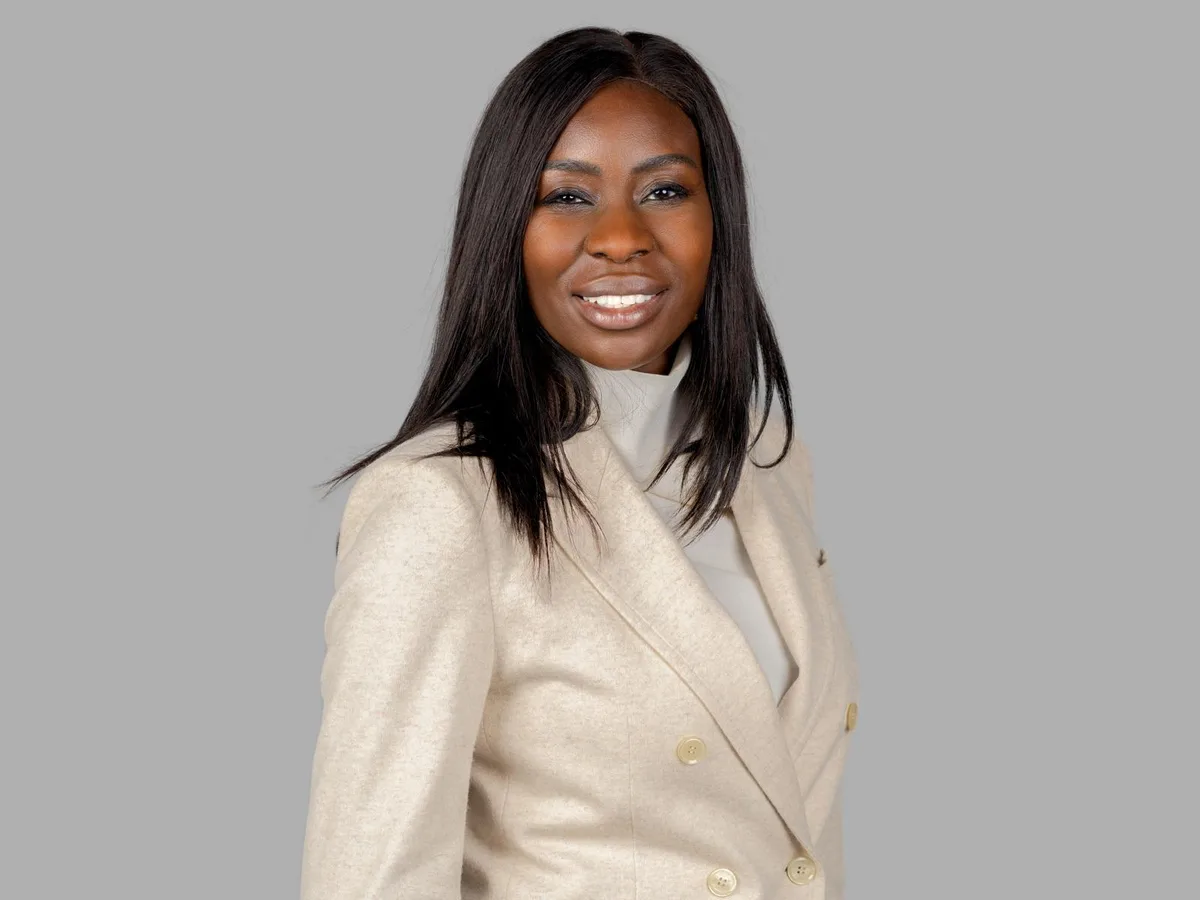
A proposito di Thioro Loum
Thioro Loum è coach e antropologa a Lausanne. Infermiera per dodici anni, poi specialista della salute sul lavoro in grandi aziende internazionali, ha accompagnato quadri e collaboratori colpiti da esaurimento professionale.
Oggi sta concludendo all'Université de Neuchâtel una tesi di dottorato sullo schiarimento della pelle in Senegal e in Giappone, e insegna alla Haute école de travail social et de la santé Lausanne (HETSL). È anche autrice di Corps socialisés, ce que l'épuisement révèle de nous, in uscita il 30 gennaio 2027.
Contattare Thioro Loum
Thioro Loum risponde in genere entro 24-48 ore.
- E-mailinfo@yourownsens.ch
- DoveLausanne e dintorni, in presenza o in videochiamata