Faire peau neuve
セネガルと日本における肌の美白を通したアイデンティティの構築と社会的な位置取り
Thioro Loumの人類学博士論文。ヌーシャテル大学(Université de Neuchâtel)文学・人文科学部民族学研究所に提出、指導教員はChristian Ghasarian教授。ORCID 0000-0001-5609-9407
本研究は、質的でマルチサイテッドな民族誌的アプローチに基づいています。日本とセネガルの比較は、文化を対立させるためのものではなく、人類学的な脱中心化のための装置です。二つの社会文化的な布置それぞれの固有性を通して、規範性の体制、身体との関係、そして美の象徴経済を問い直すことができます。
東京では、調査は大学の人類学研究の場から出発し、美容産業とその担い手へと広がりました。ダカールでは、医療の現場を起点に、医療従事者や肌の美白(スキン・ライトニング)を実践する人々と接しながら調査を組み立てました。こうして、異なる二つの経験的な入口が、同じひとつの人類学的な問いへと通じていることが明らかになります。社会はどのように身体をかたちづくり、個人は外見に手を加えることで、社会秩序の中で自らの居場所をどう交渉しているのか、という問いです。
フランス語からの翻訳
以下の論文要旨は著者自身によるもので、フランス語と英語で掲載しています。
Résumé
Cette thèse interroge le blanchiment de la peau comme une pratique située à la croisée du corps, du sens identitaire et du pouvoir. Fondée sur une ethnographie multi-située (Marcus, 1995), elle relie deux contextes contrastés, le Sénégal, marqué par l'héritage colonial et le colorisme, et le Japon, société sans colonisation directe, où la blancheur s'ancre dans des représentations de pureté, de statut social, de discipline du corps et d'intégration dans les normes collectives. La méthodologie déployée, avec des entretiens qualitatifs semi-directifs menés dans les deux pays, complétés par des observations, une immersion prolongée avec une analyse des discours ambiants des contextes sociaux, permet de mettre ces différents contextes socio-culturels en résonance l'un avec l'autre.
Inspirée par les nouvelles technologies du corps de Foucault (1975), la thèse analyse le blanchiment comme un dispositif social de contrôle de soi et d'adhésion à des normes esthétiques glocalisées (localisées et globalisées). Dans la lignée d'une anthropologie du corps et du sensible (Le Breton, 1990 ; Csordas, 1990), la peau est ici envisagée comme un langage social et symbolique, à travers lequel se jouent et s'expriment les normes, les imaginaires du-des corps, le rapport à soi, à l'autre et au monde social environnant. La recherche « suit » l'objet, la peau blanchie, à travers des représentations du corps et leurs traductions sociales.
À la fois surface visible, support de transformation et lieu d'inscription de modèles dominants, la dépigmentation met en effet en jeu des régulations sociales et symboliques. Sa pratique traduit ainsi des formes d'assujettissement et/ou de résistance, où le corps devient le lieu d'une négociation entre agentivité, contrainte et appartenance. Si au Japon, la blancheur incarne une esthétique du perfectionnement du soi, au Sénégal, elle exprime un désir de mobilité et de visibilité sociale. Dans les deux espaces de la pratique, la peau est en quelque sorte un miroir du soi social, lieu d'intériorisation, d'expression d'un consentement et d'aliénation à des modèles normatifs contemporains. En articulant le vécu individuel et les structures de pouvoir, cette thèse propose une lecture anthropologique du blanchiment comme miroir contemporain du soi, révélant les corrélations et tensions entre modernité, identité et domination symbolique.
Mots-clés
Blanchiment de la peau. Sénégal/Japon-Xeesal, Bihaku. Anthropologie du corps. Anthropologie de la santé. Ethnographie multi-située. Globalisation/Glocalisation. Gouvernance du corps. Performativité du genre. Temporalités corporelles. Urbanité. Agentivité. Ritualisation. Colorisme. Postcolonialité. Technologie du corps.
Summary
This thesis examines skin lightening as a situated practice at the intersection of the body, identity-making, and power. Grounded in a multi-sited ethnography (Marcus, 1995), it connects two contrasting contexts, Senegal, shaped by colonial legacies and colorism, and Japan, a society without direct colonization, where whiteness is rooted in representations of purity, social status, bodily discipline, and conformity to collective norms. The methodology based on semi-structured qualitative interviews conducted in both countries, complemented by observations, prolonged immersion, and an analysis of surrounding social discourses brings these distinct socio-cultural contexts into resonance with one another.
Drawing on Foucault's concept of technologies of the self (1975), the dissertation analyzes skin lightening as a social dispositif of self-regulation and adherence to glocalized (localized and globalized) aesthetic norms. In line with an anthropology of the body and the senses (Le Breton, 1990; Csordas, 1990), the skin is approached here as a social and symbolic language through which norms, imaginaries of the body/bodies, and relations to self, others, and the surrounding social world are enacted and expressed. The research follows the object, the lightened skin, through representations of the body and their social translations.
At once a visible surface, a medium of transformation, and a site for the inscription of dominant models, depigmentation engages social and symbolic regulations. Its practice thus reflects forms of subjection and/or resistance, in which the body becomes the site of negotiation between agency, constraint, and belonging. If in Japan whiteness embodies an aesthetic of self-perfection, in Senegal it expresses a desire for mobility and social visibility. In both contexts, the skin functions as a mirror of the social self, a site of internalization, consent, and alienation to contemporary normative models. By articulating lived experience and structures of power, this dissertation offers an anthropological reading of skin lightening as a contemporary mirror of the self, revealing the correlations and tensions between modernity, identity, and symbolic domination.
Key words
Skin lightening. Senegal, Japan/Xeesal, Bihaku. Anthropology of the body. Anthropology of health. Multi-sited ethnography. Globalization/Glocalization. Governance of the body. Gender performativity. Bodily temporalities. Urbanity. Agency. Ritualization. Colorism. Postcoloniality. Technologies of the body.
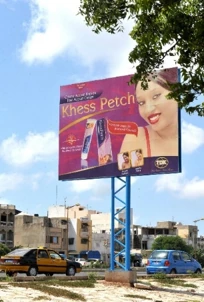
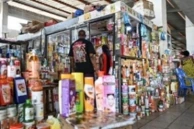
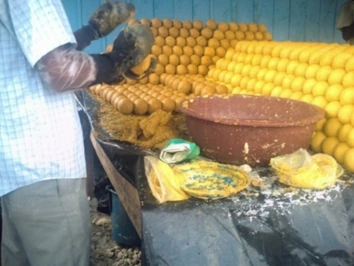
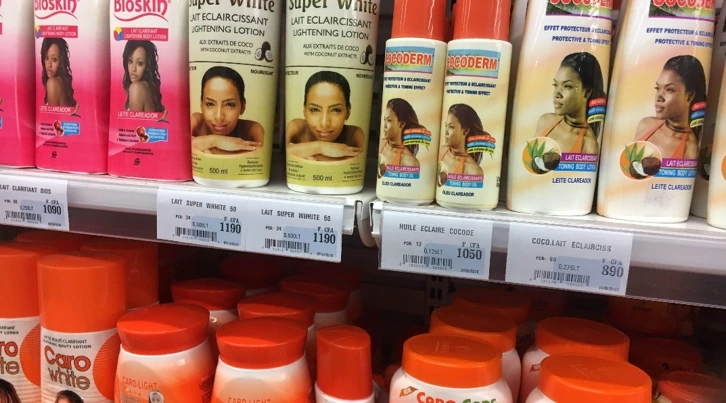
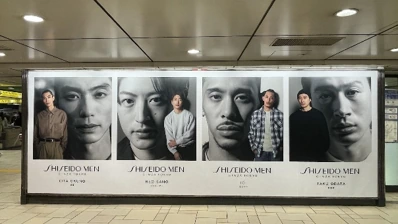
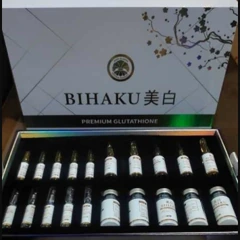
フィールドの写真

指導教員と審査委員会
- 指導教員
- Christian Ghasarian(ヌーシャテル大学名誉教授)
- 審査委員
- David Le Breton(ストラスブール大学名誉教授)
Patrice Cohen(ルーアン大学教授)
Aggée Lomo Myazhiom(ストラスブール大学准教授)
Eugène Mangalaza(マダガスカル・タマタヴ大学名誉教授) - 博士論文コロキウム
- 2026年10月30日
- 公開審査
- 2027年1月に予定
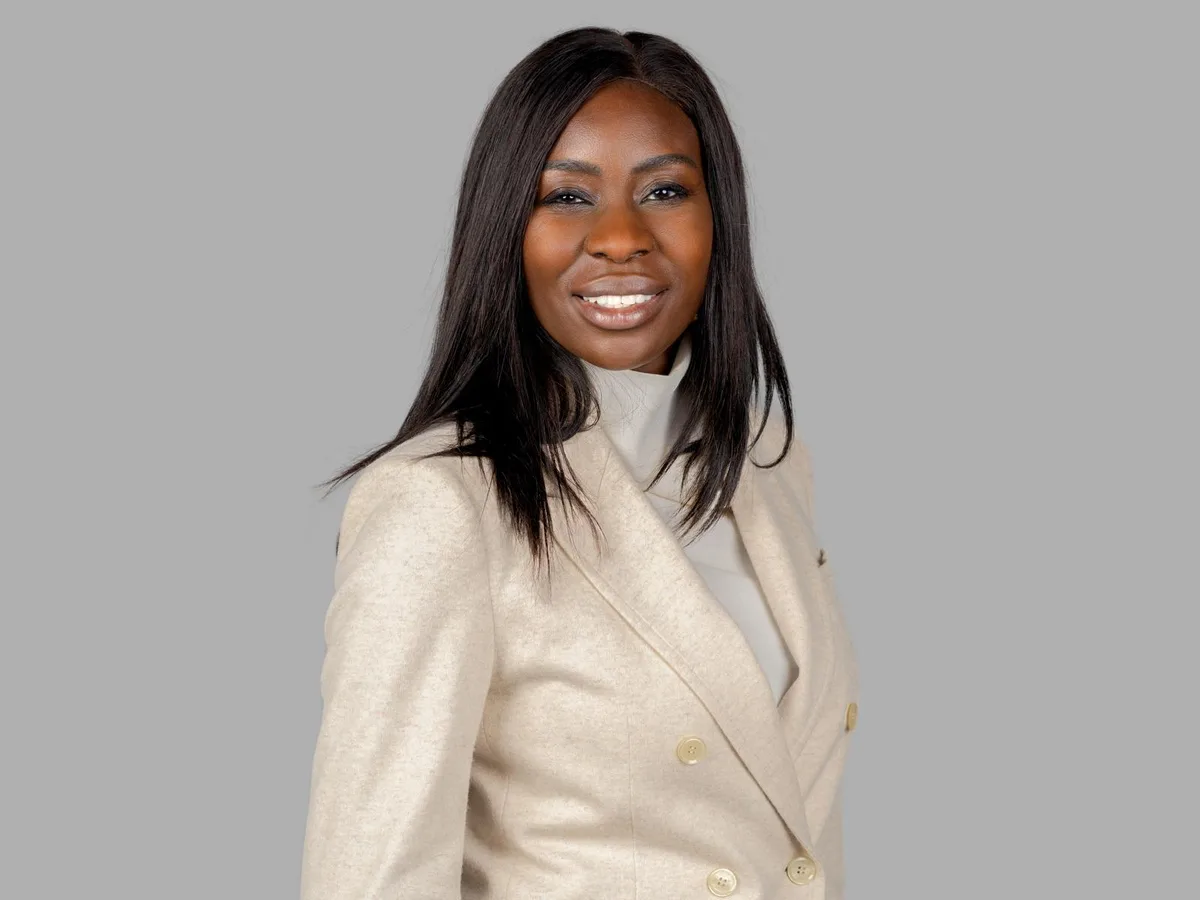
Thioro Loumについて
Thioro Loumは、ローザンヌのコーチ・人類学者です。12年間看護師として働いた後、大手グローバル企業で産業保健の専門家を務め、燃え尽き症候群に陥った管理職や社員に寄り添ってきました。
現在はヌーシャテル大学で、セネガルと日本における肌の美白をテーマにした博士論文の仕上げに取り組むとともに、HETSL(ローザンヌ社会福祉・保健大学)で教えています。2027年1月30日に刊行される『Corps socialisés, ce que l'épuisement révèle de nous』の著者でもあります。