Faire peau neuve
Tabax identité ak palaas ci askan wi, jaare ci xeesal, ci Senegaal ak ci Sapoŋ
Thèse ci anthropologie bi Thioro Loum bind, te mu jébbal ko Faculté des lettres et sciences humaines, Institut d'ethnologie, Université de Neuchâtel, ci njiitalu professeur Christian Ghasarian. ORCID 0000-0001-5609-9407
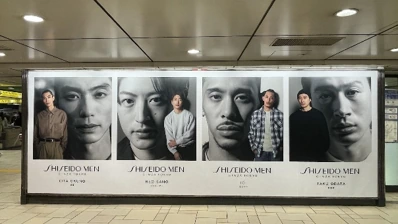
Gëstu gii dafa topp yoonu ethnographie bu qualitatif, bu ñu def ci ay bérab yu bari. Méngale bi mu def ci diggante Sapoŋ ak Senegaal du ngir teg ñaari caada ci jàkkaarloo, waaye ab pexe la ngir anthropologie génn ci gisin bi mu tàmm: li ñaari anami askan ak caada yooyu wuute moo may nu laaj ni norme yi di doxe, diggante nit ak yaramam, ak solo ak maana yi askan yi di jox rafetaay.
Ci Tokyo, enquête bi dafa tàmbalee ci université, ci wàllu anthropologie, jëm ci industrie esthétique ak ñiy dox ci biiram; ci Dakar, ci wàllu paj la tàmbalee, ci digg ñiy liggéey ci wér-gi-yaram ak nit ñiy xeesal seen der. Noonu la wone ni ñaari bunt yu wuute ci terrain di jëme ci benn laaj bu anthropologie: naka la askan yi di tabaxe yaram yi, fekk nit ñi, ci di toppatoo seen melokaan, ñu ngi waxaale seen palaas ci tëralinu askan wi?
Lu ñu tekki ci farañse
Résumé bi ci suuf, Thioro Loum ci boppam moo ko bind, ci farañse ak ci àngale.
Résumé
Cette thèse interroge le blanchiment de la peau comme une pratique située à la croisée du corps, du sens identitaire et du pouvoir. Fondée sur une ethnographie multi-située (Marcus, 1995), elle relie deux contextes contrastés, le Sénégal, marqué par l'héritage colonial et le colorisme, et le Japon, société sans colonisation directe, où la blancheur s'ancre dans des représentations de pureté, de statut social, de discipline du corps et d'intégration dans les normes collectives. La méthodologie déployée, avec des entretiens qualitatifs semi-directifs menés dans les deux pays, complétés par des observations, une immersion prolongée avec une analyse des discours ambiants des contextes sociaux, permet de mettre ces différents contextes socio-culturels en résonance l'un avec l'autre.
Inspirée par les nouvelles technologies du corps de Foucault (1975), la thèse analyse le blanchiment comme un dispositif social de contrôle de soi et d'adhésion à des normes esthétiques glocalisées (localisées et globalisées). Dans la lignée d'une anthropologie du corps et du sensible (Le Breton, 1990 ; Csordas, 1990), la peau est ici envisagée comme un langage social et symbolique, à travers lequel se jouent et s'expriment les normes, les imaginaires du-des corps, le rapport à soi, à l'autre et au monde social environnant. La recherche « suit » l'objet, la peau blanchie, à travers des représentations du corps et leurs traductions sociales.
À la fois surface visible, support de transformation et lieu d'inscription de modèles dominants, la dépigmentation met en effet en jeu des régulations sociales et symboliques. Sa pratique traduit ainsi des formes d'assujettissement et/ou de résistance, où le corps devient le lieu d'une négociation entre agentivité, contrainte et appartenance. Si au Japon, la blancheur incarne une esthétique du perfectionnement du soi, au Sénégal, elle exprime un désir de mobilité et de visibilité sociale. Dans les deux espaces de la pratique, la peau est en quelque sorte un miroir du soi social, lieu d'intériorisation, d'expression d'un consentement et d'aliénation à des modèles normatifs contemporains. En articulant le vécu individuel et les structures de pouvoir, cette thèse propose une lecture anthropologique du blanchiment comme miroir contemporain du soi, révélant les corrélations et tensions entre modernité, identité et domination symbolique.
Mots-clés
Blanchiment de la peau. Sénégal/Japon-Xeesal, Bihaku. Anthropologie du corps. Anthropologie de la santé. Ethnographie multi-située. Globalisation/Glocalisation. Gouvernance du corps. Performativité du genre. Temporalités corporelles. Urbanité. Agentivité. Ritualisation. Colorisme. Postcolonialité. Technologie du corps.
Summary
This thesis examines skin lightening as a situated practice at the intersection of the body, identity-making, and power. Grounded in a multi-sited ethnography (Marcus, 1995), it connects two contrasting contexts, Senegal, shaped by colonial legacies and colorism, and Japan, a society without direct colonization, where whiteness is rooted in representations of purity, social status, bodily discipline, and conformity to collective norms. The methodology based on semi-structured qualitative interviews conducted in both countries, complemented by observations, prolonged immersion, and an analysis of surrounding social discourses brings these distinct socio-cultural contexts into resonance with one another.
Drawing on Foucault's concept of technologies of the self (1975), the dissertation analyzes skin lightening as a social dispositif of self-regulation and adherence to glocalized (localized and globalized) aesthetic norms. In line with an anthropology of the body and the senses (Le Breton, 1990; Csordas, 1990), the skin is approached here as a social and symbolic language through which norms, imaginaries of the body/bodies, and relations to self, others, and the surrounding social world are enacted and expressed. The research follows the object, the lightened skin, through representations of the body and their social translations.
At once a visible surface, a medium of transformation, and a site for the inscription of dominant models, depigmentation engages social and symbolic regulations. Its practice thus reflects forms of subjection and/or resistance, in which the body becomes the site of negotiation between agency, constraint, and belonging. If in Japan whiteness embodies an aesthetic of self-perfection, in Senegal it expresses a desire for mobility and social visibility. In both contexts, the skin functions as a mirror of the social self, a site of internalization, consent, and alienation to contemporary normative models. By articulating lived experience and structures of power, this dissertation offers an anthropological reading of skin lightening as a contemporary mirror of the self, revealing the correlations and tensions between modernity, identity, and symbolic domination.
Key words
Skin lightening. Senegal, Japan/Xeesal, Bihaku. Anthropology of the body. Anthropology of health. Multi-sited ethnography. Globalization/Glocalization. Governance of the body. Gender performativity. Bodily temporalities. Urbanity. Agency. Ritualization. Colorism. Postcoloniality. Technologies of the body.
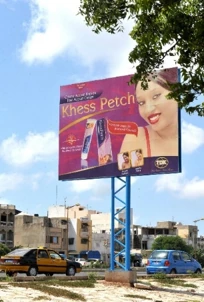
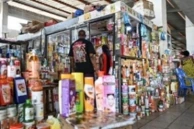
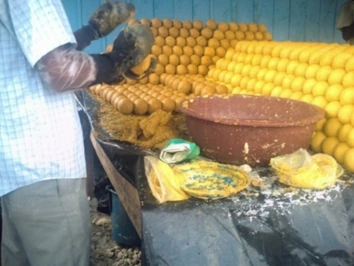
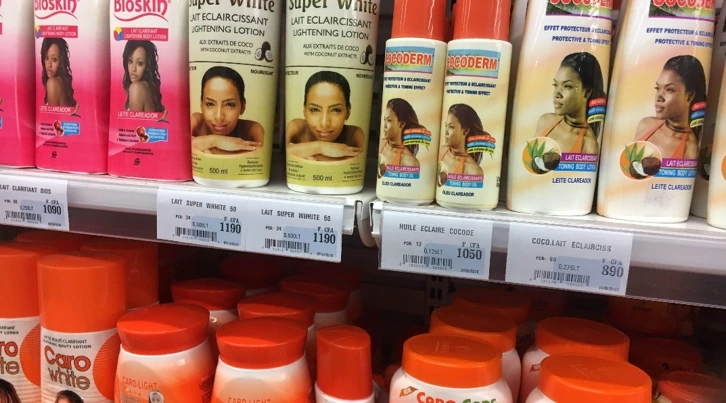
Nataali terrain yi


Njiitalu thèse bi ak jury bi
- Njiitalu thèse bi
- Christian Ghasarian, professeur émérite, Université de Neuchâtel
- Jury
- David Le Breton, professeur émérite, Université de Strasbourg
Patrice Cohen, professeur, Université de Rouen
Aggée Lomo Myazhiom, maître de conférences, Université de Strasbourg
Eugène Mangalaza, professeur émérite, Université de Tamatave, Madagascar - Colloque ci thèse bi
- 30 oktoobar 2026
- Soutenance
- Ñu ngi koy waajal ngir sanwiyee 2027
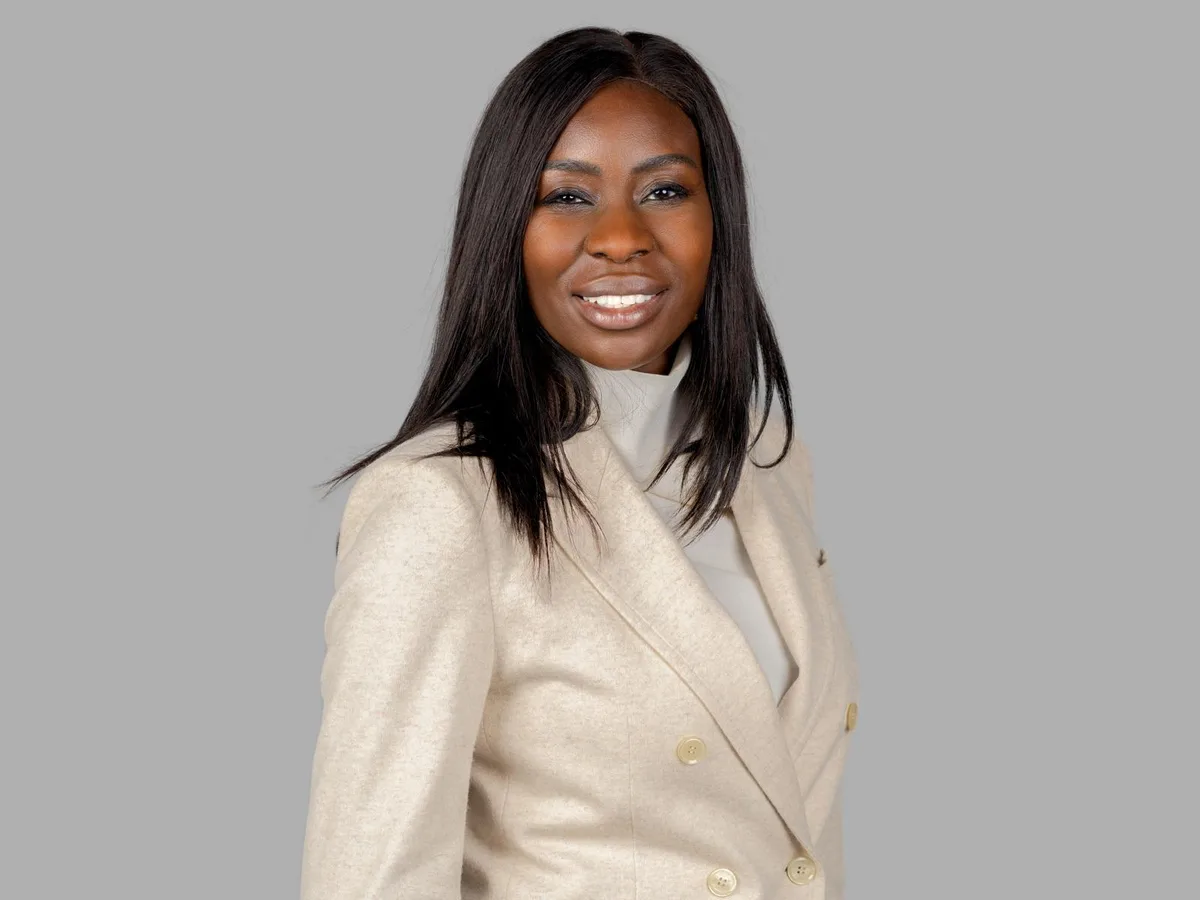
Ci mbirum Thioro Loum
Thioro Loum coach ak anthropologue la, ci Lausanne. Infirmière la woon diirub fukki at ak ñaar, ginnaaw gi mu nekk ku xóotal ci wér-gi-yaram ci liggéey ci ay entreprise yu mag yu àddina sépp, fa mu dimbali ay cadre ak ay liggéeykat yu burn-out dal.
Léegi mu ngi mottali ci Université de Neuchâtel ab thèse doctorat ci xeesal ci Senegaal ak ci Sapoŋ, te day jàngale ci Haute école de travail social et de la santé Lausanne (HETSL). Moo bind itam Corps socialisés, ce que l'épuisement révèle de nous (ci farañse), te dina génn 30 sanwiyee 2027.
Jokkoo ak Thioro Loum
Ci lu ëpp, Thioro Loum day tontu ci biir 24 ba 48 waxtu.
- E-mailinfo@yourownsens.ch
- FanLausanne ak li ko wër, ci jàkkaarloo walla ci visio