Faire peau neuve
塞内加尔与日本皮肤美白实践中的身份建构与社会定位
Thioro Loum的人类学博士论文,提交至纳沙泰尔大学(Université de Neuchâtel)文学与人文科学学院民族学研究所,导师为Christian Ghasarian教授。ORCID 0000-0001-5609-9407
本研究采用定性、多点的民族志方法。日本与塞内加尔之间的比较,并不是一种文化对立的练习,而是一种人类学意义上的“去中心”装置:两种社会文化格局各自的独特性,使我们得以追问规范性的体制、人与身体的关系,以及美的象征经济。
在东京,调查从大学的人类学研究出发,延伸到美容产业及其从业者;在达喀尔,调查则从医疗领域入手,在与医务人员以及从事皮肤美白实践的人们的接触中展开。由此可见,两个不同的经验入口通向同一个人类学问题:社会如何塑造身体,而个人又如何通过经营自己的外表,在社会秩序中协商自己的位置?
译自法语
以下论文摘要为作者本人所写,以法语和英语呈现。
Résumé
Cette thèse interroge le blanchiment de la peau comme une pratique située à la croisée du corps, du sens identitaire et du pouvoir. Fondée sur une ethnographie multi-située (Marcus, 1995), elle relie deux contextes contrastés, le Sénégal, marqué par l'héritage colonial et le colorisme, et le Japon, société sans colonisation directe, où la blancheur s'ancre dans des représentations de pureté, de statut social, de discipline du corps et d'intégration dans les normes collectives. La méthodologie déployée, avec des entretiens qualitatifs semi-directifs menés dans les deux pays, complétés par des observations, une immersion prolongée avec une analyse des discours ambiants des contextes sociaux, permet de mettre ces différents contextes socio-culturels en résonance l'un avec l'autre.
Inspirée par les nouvelles technologies du corps de Foucault (1975), la thèse analyse le blanchiment comme un dispositif social de contrôle de soi et d'adhésion à des normes esthétiques glocalisées (localisées et globalisées). Dans la lignée d'une anthropologie du corps et du sensible (Le Breton, 1990 ; Csordas, 1990), la peau est ici envisagée comme un langage social et symbolique, à travers lequel se jouent et s'expriment les normes, les imaginaires du-des corps, le rapport à soi, à l'autre et au monde social environnant. La recherche « suit » l'objet, la peau blanchie, à travers des représentations du corps et leurs traductions sociales.
À la fois surface visible, support de transformation et lieu d'inscription de modèles dominants, la dépigmentation met en effet en jeu des régulations sociales et symboliques. Sa pratique traduit ainsi des formes d'assujettissement et/ou de résistance, où le corps devient le lieu d'une négociation entre agentivité, contrainte et appartenance. Si au Japon, la blancheur incarne une esthétique du perfectionnement du soi, au Sénégal, elle exprime un désir de mobilité et de visibilité sociale. Dans les deux espaces de la pratique, la peau est en quelque sorte un miroir du soi social, lieu d'intériorisation, d'expression d'un consentement et d'aliénation à des modèles normatifs contemporains. En articulant le vécu individuel et les structures de pouvoir, cette thèse propose une lecture anthropologique du blanchiment comme miroir contemporain du soi, révélant les corrélations et tensions entre modernité, identité et domination symbolique.
Mots-clés
Blanchiment de la peau. Sénégal/Japon-Xeesal, Bihaku. Anthropologie du corps. Anthropologie de la santé. Ethnographie multi-située. Globalisation/Glocalisation. Gouvernance du corps. Performativité du genre. Temporalités corporelles. Urbanité. Agentivité. Ritualisation. Colorisme. Postcolonialité. Technologie du corps.
Summary
This thesis examines skin lightening as a situated practice at the intersection of the body, identity-making, and power. Grounded in a multi-sited ethnography (Marcus, 1995), it connects two contrasting contexts, Senegal, shaped by colonial legacies and colorism, and Japan, a society without direct colonization, where whiteness is rooted in representations of purity, social status, bodily discipline, and conformity to collective norms. The methodology based on semi-structured qualitative interviews conducted in both countries, complemented by observations, prolonged immersion, and an analysis of surrounding social discourses brings these distinct socio-cultural contexts into resonance with one another.
Drawing on Foucault's concept of technologies of the self (1975), the dissertation analyzes skin lightening as a social dispositif of self-regulation and adherence to glocalized (localized and globalized) aesthetic norms. In line with an anthropology of the body and the senses (Le Breton, 1990; Csordas, 1990), the skin is approached here as a social and symbolic language through which norms, imaginaries of the body/bodies, and relations to self, others, and the surrounding social world are enacted and expressed. The research follows the object, the lightened skin, through representations of the body and their social translations.
At once a visible surface, a medium of transformation, and a site for the inscription of dominant models, depigmentation engages social and symbolic regulations. Its practice thus reflects forms of subjection and/or resistance, in which the body becomes the site of negotiation between agency, constraint, and belonging. If in Japan whiteness embodies an aesthetic of self-perfection, in Senegal it expresses a desire for mobility and social visibility. In both contexts, the skin functions as a mirror of the social self, a site of internalization, consent, and alienation to contemporary normative models. By articulating lived experience and structures of power, this dissertation offers an anthropological reading of skin lightening as a contemporary mirror of the self, revealing the correlations and tensions between modernity, identity, and symbolic domination.
Key words
Skin lightening. Senegal, Japan/Xeesal, Bihaku. Anthropology of the body. Anthropology of health. Multi-sited ethnography. Globalization/Glocalization. Governance of the body. Gender performativity. Bodily temporalities. Urbanity. Agency. Ritualization. Colorism. Postcoloniality. Technologies of the body.
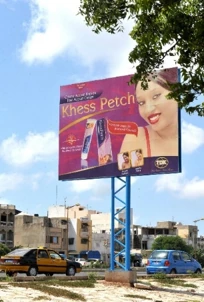
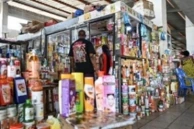
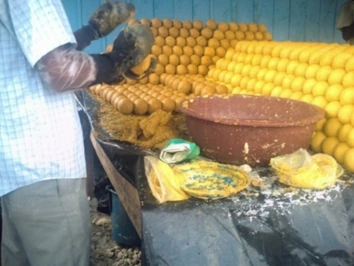
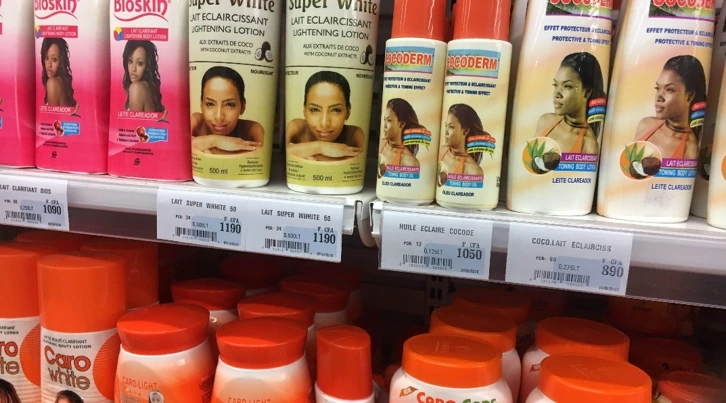
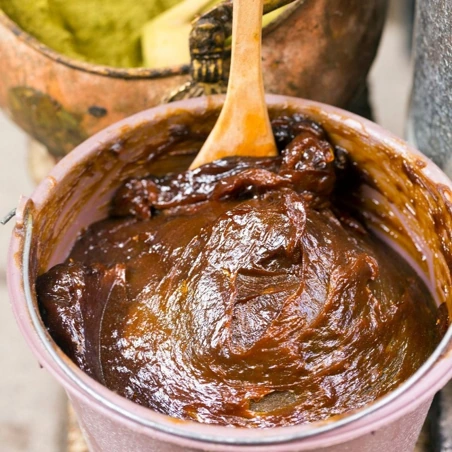
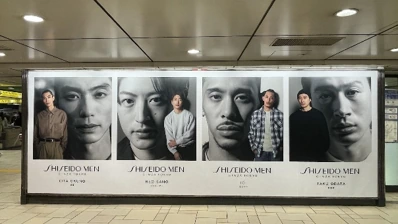
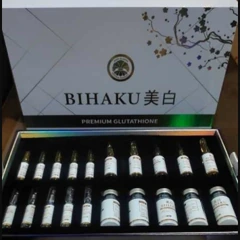
田野照片
导师与答辩委员会
- 导师
- Christian Ghasarian,纳沙泰尔大学荣休教授
- 答辩委员会
- David Le Breton,斯特拉斯堡大学荣休教授
Patrice Cohen,鲁昂大学教授
Aggée Lomo Myazhiom,斯特拉斯堡大学副教授
Eugène Mangalaza,马达加斯加图阿马西纳大学荣休教授 - 论文预答辩
- 2026年10月30日
- 公开答辩
- 预计于2027年1月
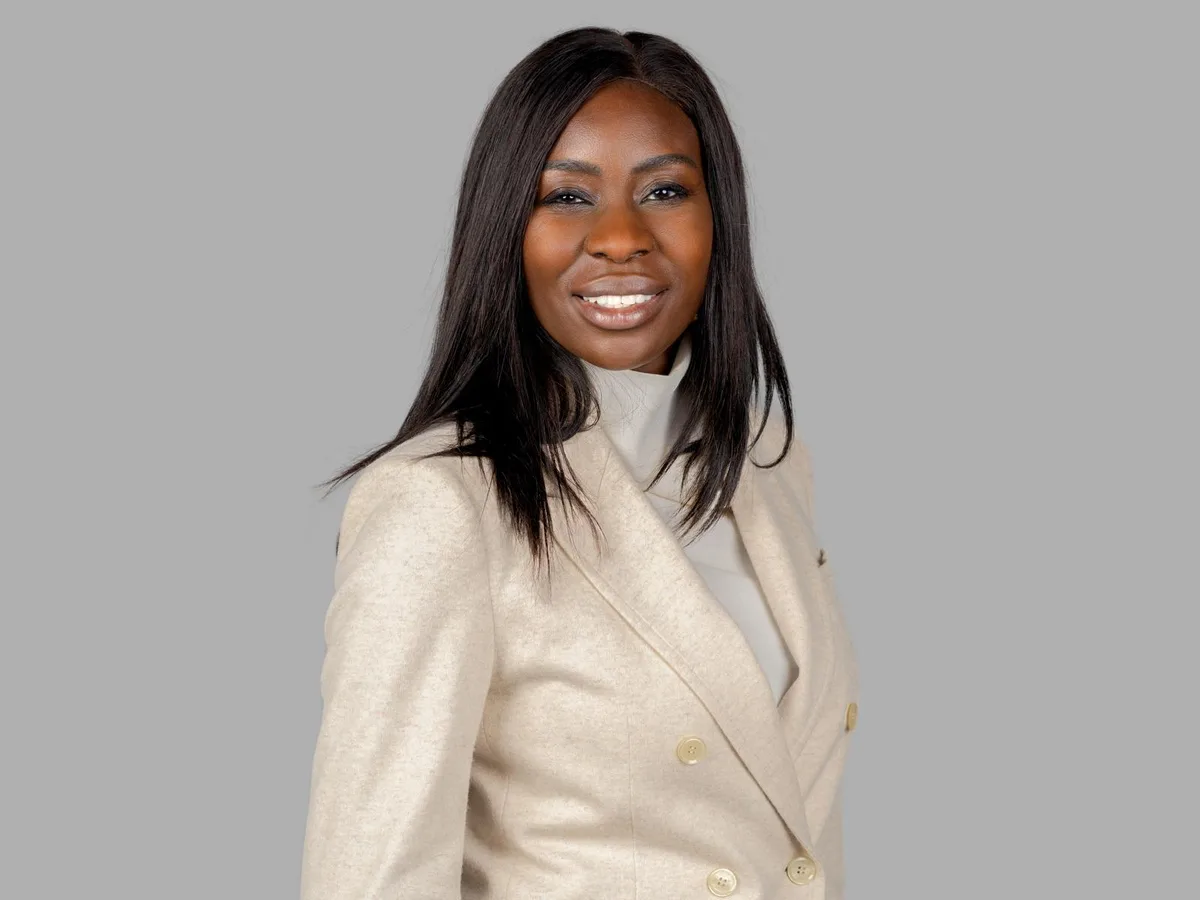
关于Thioro Loum
Thioro Loum是洛桑的教练与人类学家。她做了十二年护士,后来在大型跨国企业担任职业健康专家,陪伴陷入职业倦怠的管理者和员工。
如今,她正在纳沙泰尔大学完成一篇关于塞内加尔和日本皮肤美白的博士论文,并在洛桑社会工作与健康高等学院(HETSL)任教。她也是《Corps socialisés, ce que l'épuisement révèle de nous》一书的作者,该书将于2027年1月30日出版。